- by Media
- May 29, 2026
Report on the International Meeting in Albania Regarding Human Rights Situation in Afghanistan
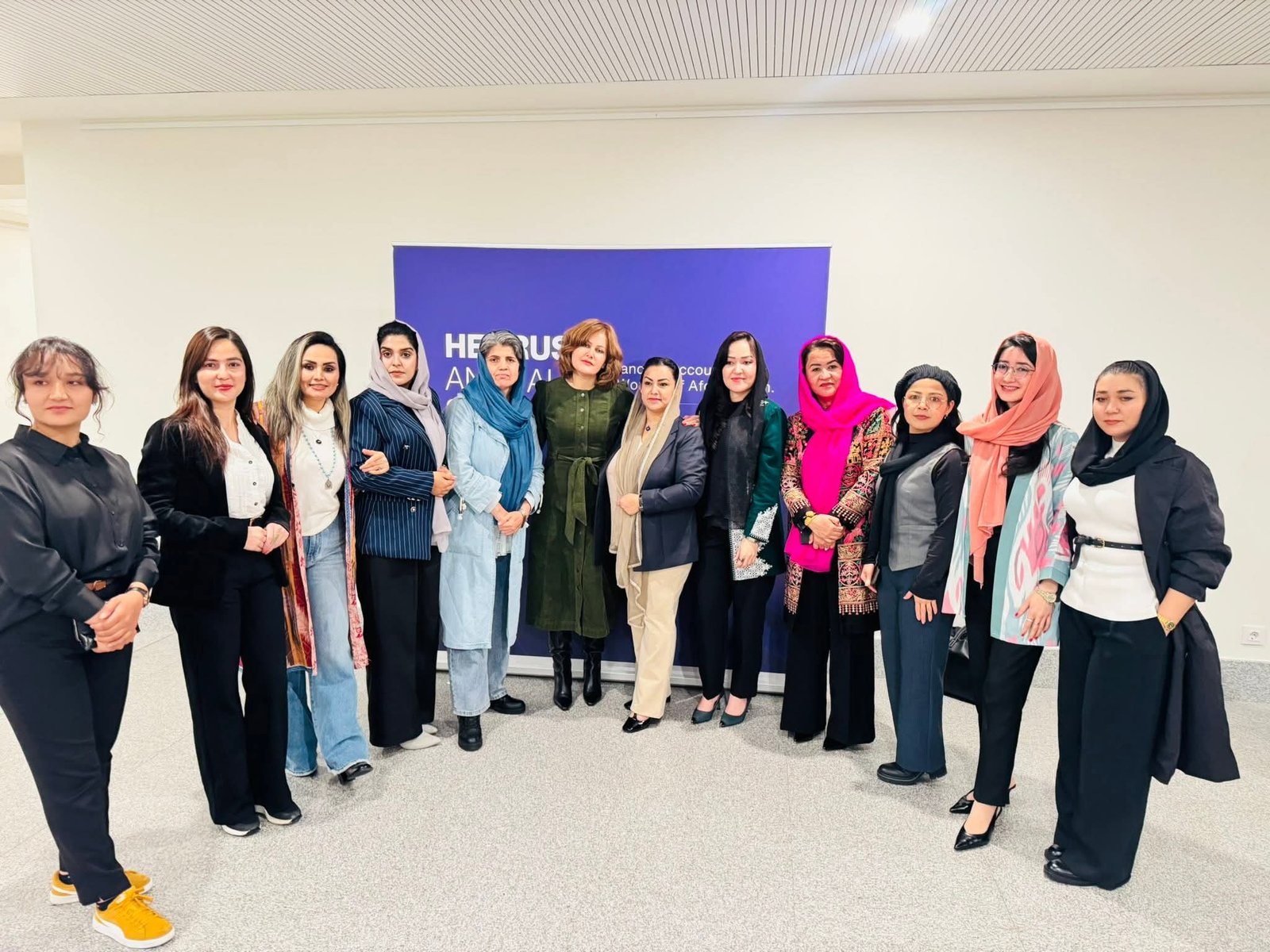
An international meeting was held in Albania with the participation of United Nations officials, human rights activists, and representatives of civil society organizations to discuss the deteriorating human rights situation in Afghanistan, particularly concerning freedom, girls’ education, and women’s rights.
The meeting focused on assessing the impact of recent political developments in Afghanistan and the increasing restrictions imposed on women and girls. Participants expressed serious concern over the continued limitations on girls’ access to education, restrictions on women’s social participation, and the shrinking civic space in the country.
United Nations officials emphasized that the restrictions on girls’ education and women’s freedoms constitute a clear violation of international human rights principles and global commitments to the right to education. They warned that the continuation of such policies could have severe long-term consequences for Afghanistan’s social, economic, and human development.
Human rights activists and civil society representatives from different countries also called for stronger international action regarding the situation in Afghanistan. They stressed that silence or inaction in the face of ongoing restrictions would contribute to the deepening of the human rights crisis in the country.
During the meeting, Zarifa Yaqoubi, head of the Afghanistan Women’s Movement for Equality, also attended and delivered a speech. She strongly emphasized that education is a fundamental and non-negotiable right for Afghan girls and that no authority has the legitimacy to deprive them of this right.
Ms. Yaqoubi further stated that the restrictions on women’s education and freedoms in Afghanistan must be recognized as a serious international human rights crisis. She called on the international community and human rights organizations to adopt a clear and firm stance against restrictive policies targeting Afghan women.
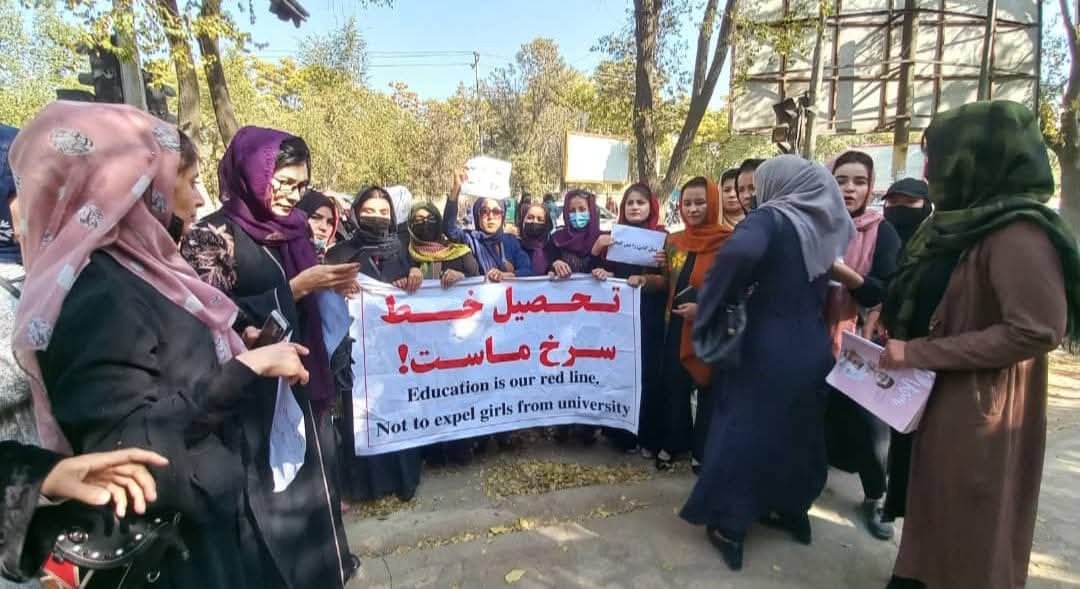
She also urged the global community to use diplomatic and legal mechanisms to pressure the de facto authorities in Afghanistan to restore the fundamental rights of women and girls, particularly their right to education. According to her, education is a “red line” for Afghan women and must not be subject to political conditions or negotiations.
In conclusion, participants of the meeting stressed the importance of continued political, legal, and diplomatic pressure on the authorities in Afghanistan. They also highlighted the need for stronger support for civil society organizations and women’s movements operating both inside and outside the country.
The meeting took place amid growing international concern over the future of girls’ education and civil liberties in Afghanistan, with human rights advocates calling for urgent and concrete global action.

Please Login to comment in the post!
you may also like
- by Media
- May 29, 2026
Report on Women’s Protest in Support of Girls...
- by Media
- May 29, 2026
Report on Protest in Support of Afghan Women
- by Media
- Jun 03, 2026
Report on Women’s Protest in Germany Against...
- by Media
- Jun 03, 2026